

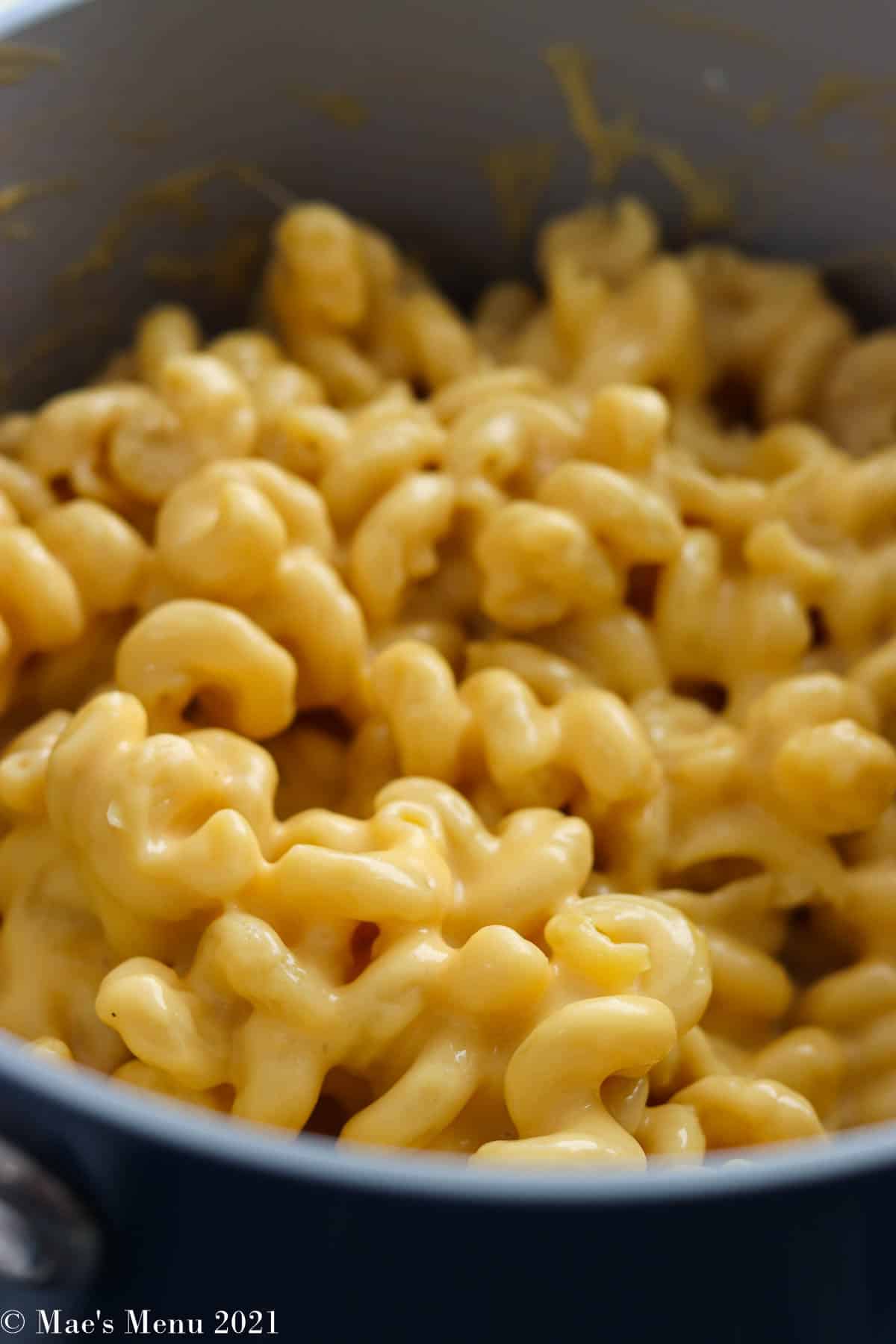
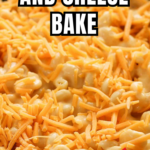
This healthy mac and cheese is creamy, cheesy, and genuinely delicious — with 284 calories and 21 grams of protein per serving. Ready in 15 minutes on the stovetop, or pop it in the oven for a golden, crispy top.


This post may contain affiliate links. As an Amazon Associate, I earn from qualifying purchases. Please see my disclosure policy for details.
Table of contents
For more healthier mac and cheese recipes, check out my High-Protein Mac and Cheese, Taco Mac and Cheese, and Tuna Mac and Cheese.
At A Glance: Healthy Mac and Cheese Recipe
- Prep Time: 5 minutes
- Cook Time: 20 minutes
- Optional Baking Time: 22 minutes
- Total Time: 25 minutes (stovetop) | 47 minutes (baked)
- Makes: 8 servings
- Nutrition (per serving): 284 per serving | Protein: 21g | Fat: 23g | Carbs: 24g
- What it Tastes Like: Rich, creamy, and deeply cheesy — like homemade mac and cheese should taste
- Why You'll Love It: It's a lighter homemade mac and cheese that actually tastes indulgent, comes together in one pot, and is easy to customize for the whole family.
- Difficulty Level: Easy enough for a Tuesday night
Mac and cheese has been one of my love languages since I was a kid — and it seems the same is true for my little guy. My three-year-old would eat it every single day if I let him, and some weeks, I don't have the heart to stop him.
This healthy mac and cheese recipe is the version I actually feel good about making on repeat. It uses a simple roux-based cheese sauce — just butter, flour, milk, and sharp cheddar — that delivers all the rich, creamy goodness of homemade mac at significantly fewer calories than most traditional recipes.
At 284 calories and 21 grams of protein per serving, it holds its own as both a side dish and a main. And if you want to take it over the top, the optional bake gives you a bubbling, golden-topped mac that's impressive enough for company.
For more healthy recipe remakes, try my Chicken Bolognese, Tuna Rice Casserole, Healthy Deviled Eggs, and Healthy Orange Chicken.
Is Mac and Cheese Healthy?
Registered Dietitian Nutritionist Mackenzie Burgess of Cheerful Choices weighs in:
"Although mac and cheese is a dish that's typically higher in calories, saturated fat, and sodium — this dish is filled with better-for-you swaps that makes it much lighter. By using skim milk or 1% milk, it slashes the saturated fat content. This recipe also uses significantly less butter than most, meaning less overall calories and fat per serving. If you want to pump up protein and fiber content, try using the recommended Banza pasta as a healthier swap. I would also suggest pairing your pasta with a veggie-filled side dish to add extra color to your plate."
What Makes This Recipe Healthier
Most homemade mac and cheese recipes are loaded with heavy cream, a generous amount of butter, and full-fat cheese, which means the calories add up fast. Here's what this recipe does differently:
- Less butter — just 1½ tablespoons versus the 4–6 tablespoons you'd find in a traditional recipe
- Lower-fat milk — 1% or 2% milk instead of heavy cream or whole milk keeps the sauce creamy without the extra saturated fat
- A roux-based sauce — the flour and butter base lets you get a thick, velvety cheese sauce without needing buckets of dairy
- Real sharp cheddar — using less of a stronger-flavored cheese means you still get big cheesy flavor with less overall fat
- High-protein pasta — this recipe is made with Banza chickpea pasta, which adds 6 extra grams of protein and 7 extra grams of fiber per serving compared to regular pasta
You can boost the nutrition even further: swap in chickpea pasta or whole wheat pasta for more fiber and protein, stir in some steamed broccoli florets or sautéed spinach, or add a scoop of plain Greek yogurt or blended cottage cheese to the cheese sauce for extra creaminess and protein.
Important Ingredients and Substitutions
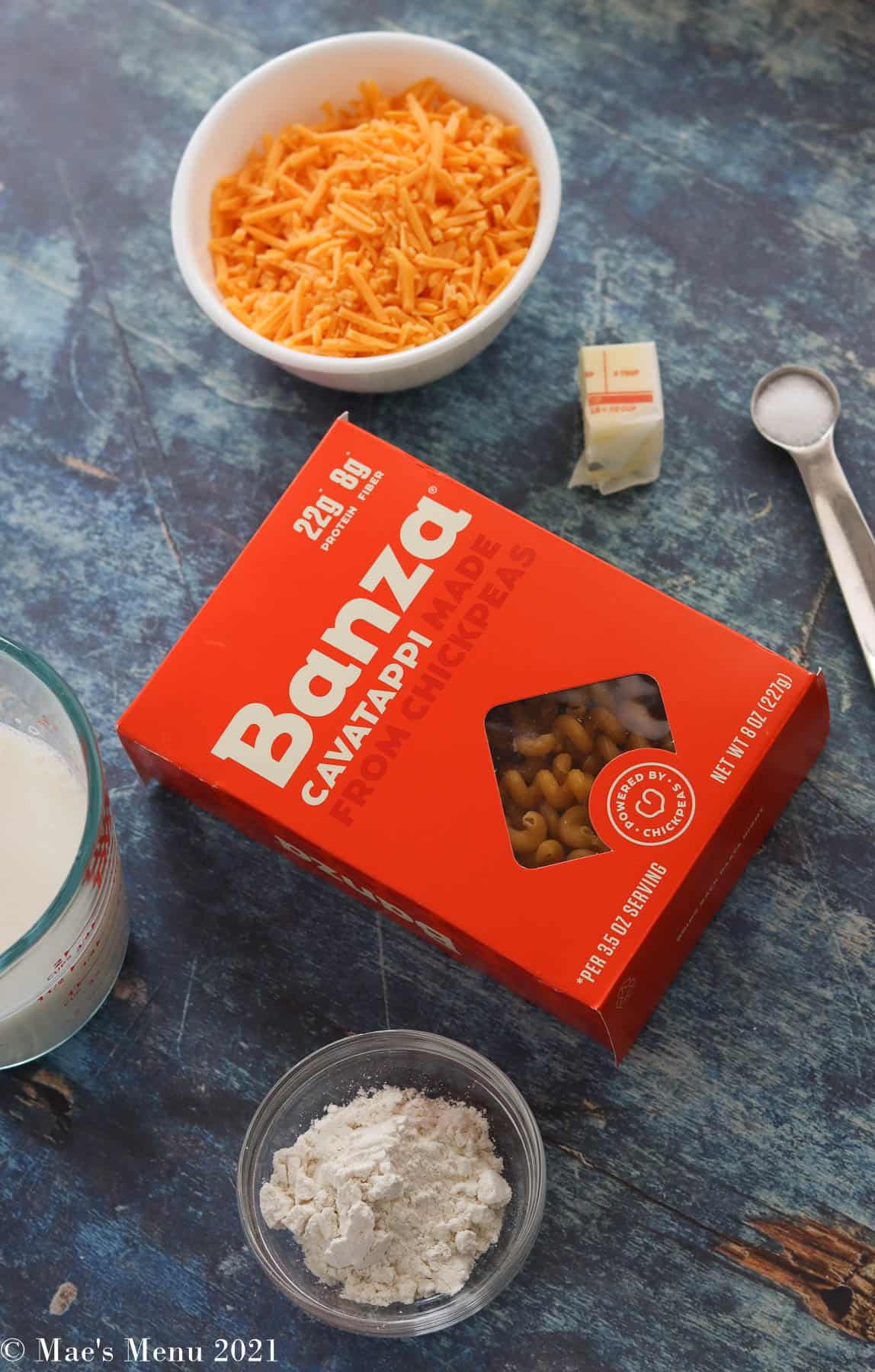
High-Protein Pasta — This recipe is made with Banza chickpea pasta elbows (affiliate link), which boost the protein and fiber significantly compared to regular pasta — and it's what you'll see in the photos. Brami lupini pasta (affiliate link) is another great high-protein option. Regular macaroni, cavatappi, penne, or orecchiette all work great too. If going gluten-free, use your favorite gluten-free pasta shape.
Flour — All-purpose flour thickens the roux. A 1-to-1 gluten-free flour blend can be used as a direct swap with no method changes.
Milk — 1% or 2% milk keeps this a low-calorie mac and cheese while still giving you a creamy sauce. Whole milk makes it richer, and filtered milk adds more protein. For dairy-free, unsweetened oat milk or unsweetened almond milk, both work — the sauce may be slightly thinner, so cook it a bit longer to thicken.
Sharp cheddar cheese — Freshly grated from the block is strongly recommended. Pre-shredded cheese contains anti-caking agents that prevent smooth melting and can make your sauce grainy. Sharp cheddar has the strongest flavor, meaning you need less of it for a big cheesy impact.
Unsalted butter — Using unsalted butter gives you better control over the dish's final saltiness. Salted butter works in a pinch — just reduce the added salt slightly.
Recipe Variations
This recipe is a great base — here are some easy ways to make it your own:
- Extra Creamy — Stir 1–2 tablespoons of whole-milk Greek yogurt, blended cottage cheese, or sour cream into the finished cheese sauce for an extra silky texture without much added fat.
- High-Protein — Use chickpea pasta, stir in 1 cup of shredded rotisserie chicken or ground turkey, or fold in ½ cup of canned white beans or chickpeas. For even more protein, check out my dedicated High-Protein Mac and Cheese post.
- Loaded with Veggies — Stir in steamed broccoli florets, sautéed spinach, roasted butternut squash, or sautéed mushrooms. Great for picky eaters — the cheese sauce hides a lot.
- Gluten-Free — Use gluten-free pasta and a 1-to-1 gluten-free flour blend. No other changes needed.
- Lactose-Free — Swap dairy milk for lactose-free milk and use extra sharp cheddar, which is naturally very low in lactose.
- Different Cheese — Sharp white cheddar, Gruyère, Monterey Jack, or a Mexican shredded cheese blend all melt beautifully. For a smokier flavor, try Smoked Gouda Mac and Cheese.
How to Make Healthy Mac and Cheese
For the complete recipe and measurements, scroll to the recipe card at the bottom of this post.
Step 1: Cook the pasta in a large pot of heavily salted boiling water according to the packaging directions. Drain and set aside.

Step 1: Return the saucepan to the stovetop over medium heat. Add the butter and let it melt until it just starts to foam.

Step 2: Whisk in the flour and cook, stirring constantly, for 1–2 minutes until the mixture smells warm and lightly nutty.

Step 3: Pour the milk into the saucepan.

Step 4: Cook for 2–3 minutes, whisking non-stop, until the sauce thickens and you can see the bottom of the pan when you drag the whisk through it.
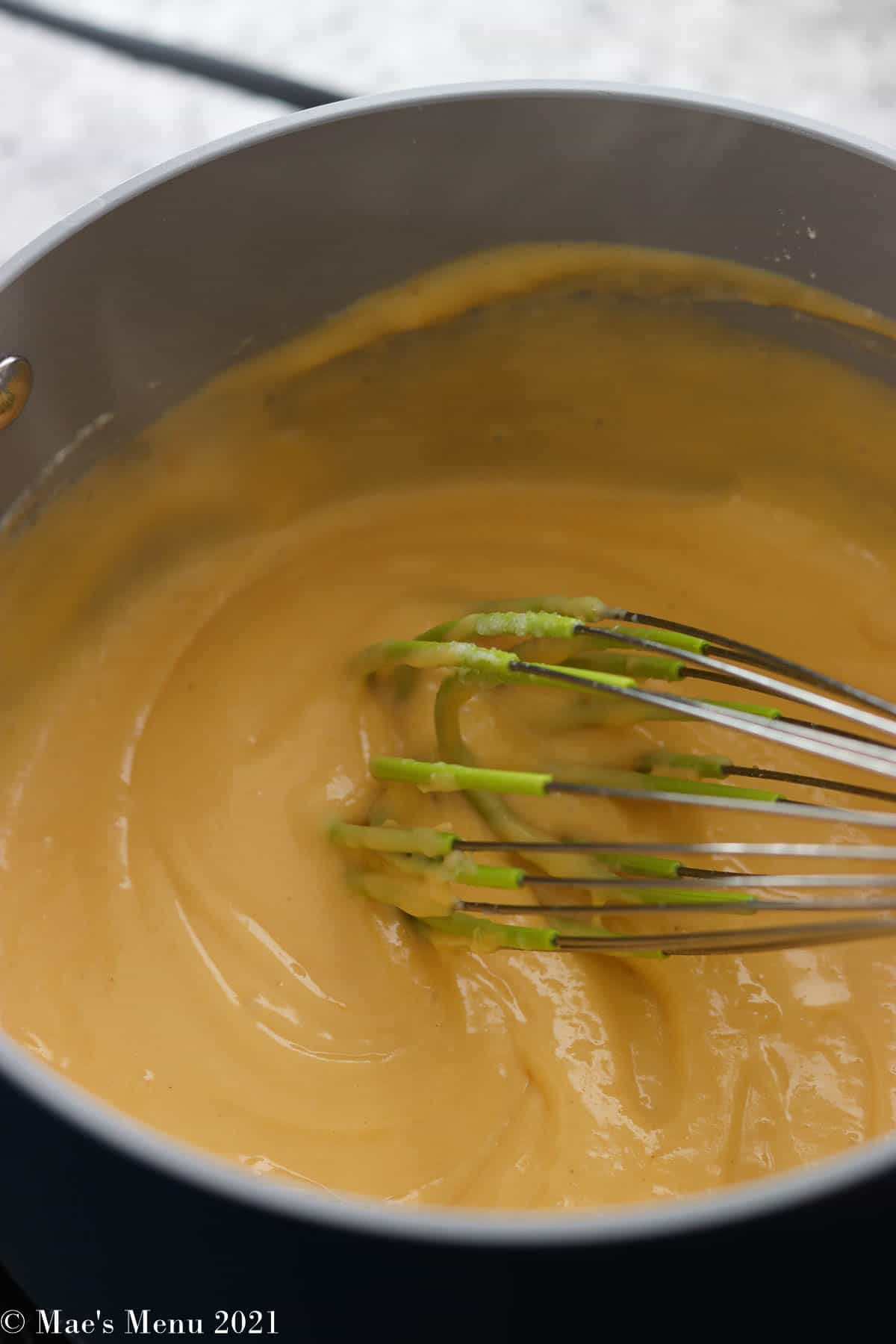
Step 5: Turn the heat to low. Add the shredded cheddar cheese and salt. Whisk vigorously for 15–30 seconds until the cheese is fully melted and the sauce is smooth and creamy. Remove from heat.

Step 6: Add the drained pasta to the cheese sauce and fold together until fully coated. Serve hot.
Optional Baking Steps
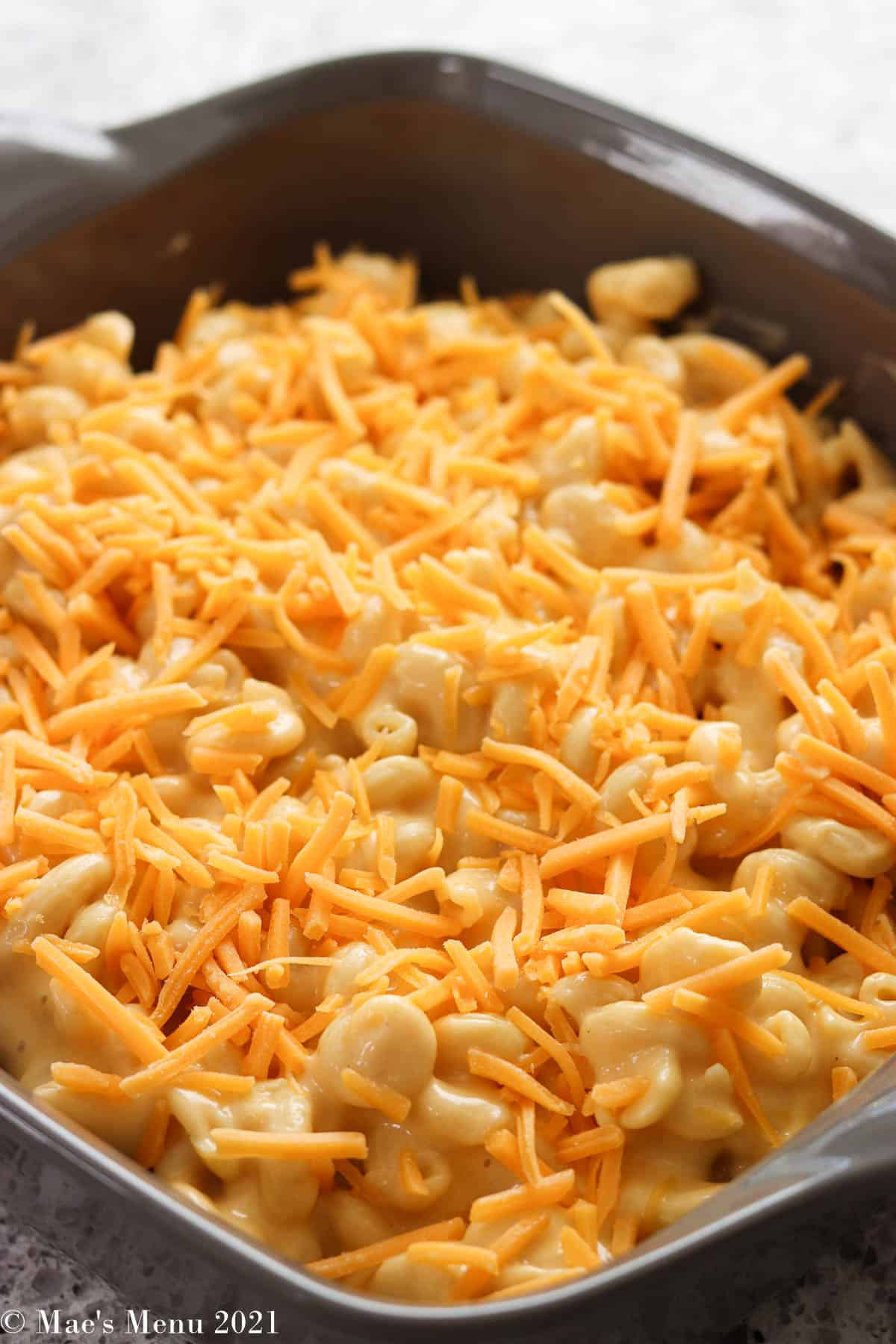
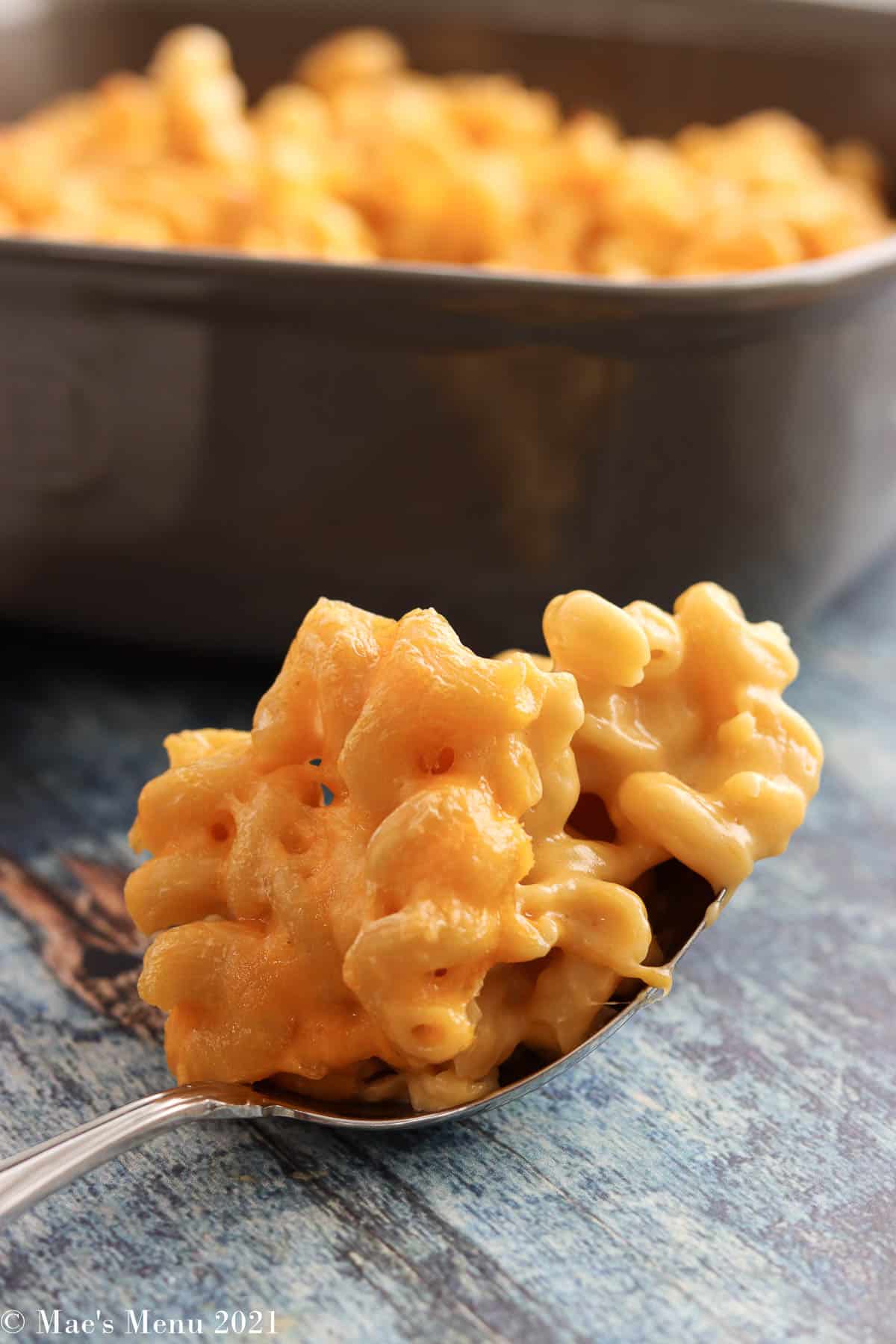
Step 7: Pour the mac and cheese into a greased 8x8-inch baking dish. Sprinkle with the reserved shredded cheddar. Bake
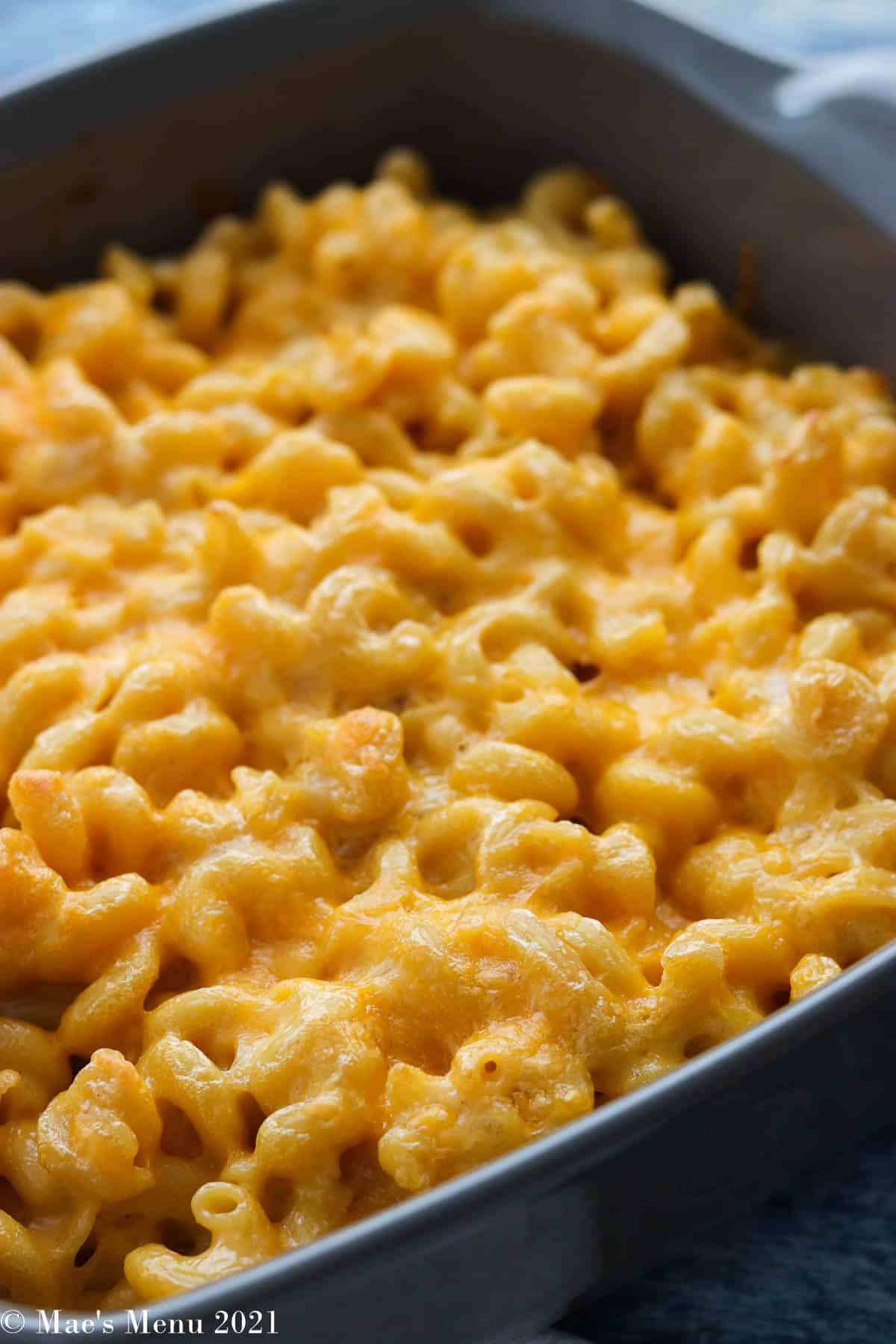
Step 8: Bake at 375°F for 21–23 minutes, until the top is golden and bubbling. Serve hot.
Stovetop vs. Baked: Which Should You Choose?
Stovetop: Faster, creamier, and ready in 25 minutes total. Best for weeknights when you need dinner on the table fast — and closest in texture to the mac and cheese you know and love.
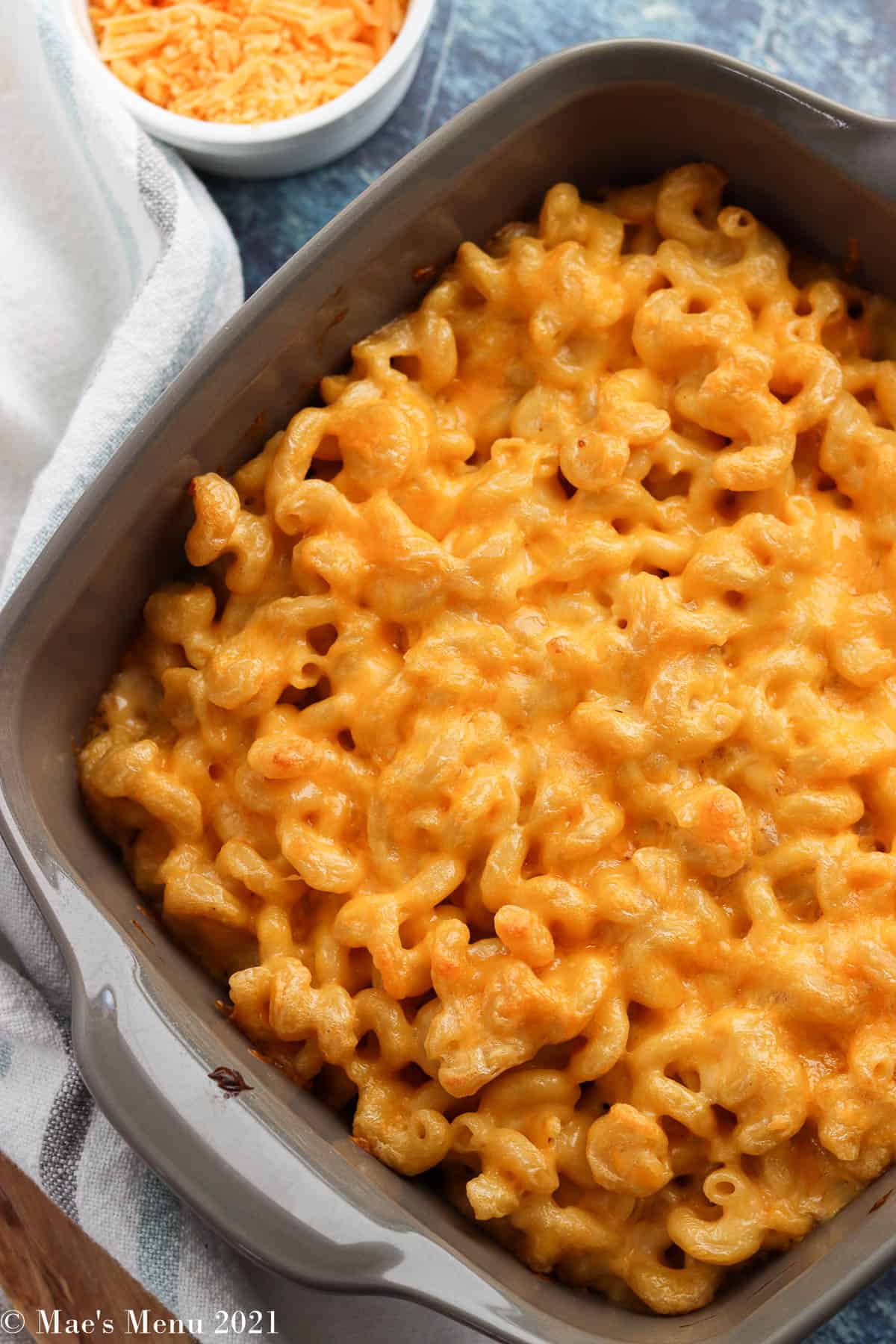
Baked: A crispier golden top, slightly firmer texture, and a more "gourmet" feel. Great for meal prep, feeding a crowd, or when you want something that looks impressive on the table. Add about 22 extra minutes.
Which is healthier? They're essentially the same — the only difference is the baked version gets a little extra cheese on top. If you're watching calories closely, stick with stovetop and skip the extra sprinkle.
Chelsea's Recipe Pro-Tips

- Salt your pasta water generously — About 1 tablespoon of salt per gallon of water. This is the single biggest flavor upgrade you can make to any pasta dish. The noodles absorb the salt as they cook, and the difference is noticeable.
- Prep everything before you start the sauce — Once the roux is going, things move fast. Have your milk measured, cheese shredded, and pasta drained before you start Step 2.
- Stir the roux constantly — No walking away. The flour and butter mixture needs continuous stirring to cook evenly and avoid burning. One minute of your full attention = a smooth, lump-free sauce.
- Shred your cheese from the block — This is non-negotiable for the smoothest possible sauce. Pre-shredded cheese has anti-caking agents that make it resist melting cleanly. A block of sharp cheddar grated right before you use it makes a noticeably better sauce.
- Pull the cheese off the heat before adding — Adding shredded cheese to boiling sauce can make it seize and turn grainy. Turn the heat to low first, then add the cheese and whisk quickly. Off the heat is even better once it's melted.
- Taste before adding extra salt — The pasta water and the cheese both bring salt to the dish. Add the listed amount, taste, and adjust from there rather than salting blindly.
Storage Directions
- Refrigerating: Store leftovers in an airtight container in the refrigerator for up to 4–5 days.
- Freezing: Freeze individual portions in freezer-safe airtight containers for up to 1–2 months. Thaw in the refrigerator overnight before reheating.
- Reheating: Reheat on the stovetop over medium heat with a splash of milk, stirring until warmed through and creamy again. Microwave in 60-second intervals, stirring between each, with a small splash of milk to restore the consistency.
Serving Suggestions
This healthy mac and cheese is substantial enough to stand alone as a main, but it shines as a side dish too. Pair it with something green — Air Fryer Broccolini is a great match, or Blistered Green Beans if you want a little more char. For a crunchy side that balances all that richness, my Broccoli Slaw Recipe is a surprisingly perfect pairing. And for a protein alongside, Chicken Meatloaf or Turkey Sloppy Joes makes this a full comfort food dinner.
Healthy Mac and Cheese FAQs
Kraft mac and cheese is a convenient option but is higher in sodium and processed ingredients than homemade versions. This recipe takes only about 5 minutes longer than the boxed stuff and gives you a much cleaner ingredient list with better flavor and nutrition. For a fun middle-ground, try my Instant Pot Kraft Mac and Cheese if you love the Kraft flavor but want the ease of hands-off cooking.
It depends on the recipe, but most traditional homemade mac and cheese recipes run 400–600 calories per serving. This healthy mac and cheese comes in at 284 calories per serving (made stovetop with 1% milk and Banza chickpea pasta), which is significantly lower without sacrificing that creamy, rich texture.
This one! A roux-based sauce made with lower-fat milk and less butter keeps the calories in check, while Banza chickpea pasta bumps the protein to 21g and fiber to 8g per serving — all without sacrificing the creamy, cheesy texture you're actually craving. For personalized guidance based on your specific health goals, check with a registered dietitian.
A few easy swaps go a long way: use lower-fat milk instead of heavy cream, reduce the butter, use freshly grated strong cheese (you need less of it for big flavor), swap in whole wheat or chickpea pasta for more fiber and protein, and stir in vegetables like broccoli florets or spinach. A spoonful of Greek yogurt or blended cottage cheese added to the cheese sauce is also a great trick for extra creaminess and protein.
More Mac and Cheese Recipes


If you liked and made this Healthy Macaroni and Cheese Recipe, don't forget to rate it and let me know how you liked it in the comments. I always love hearing from you!
Recipe Card
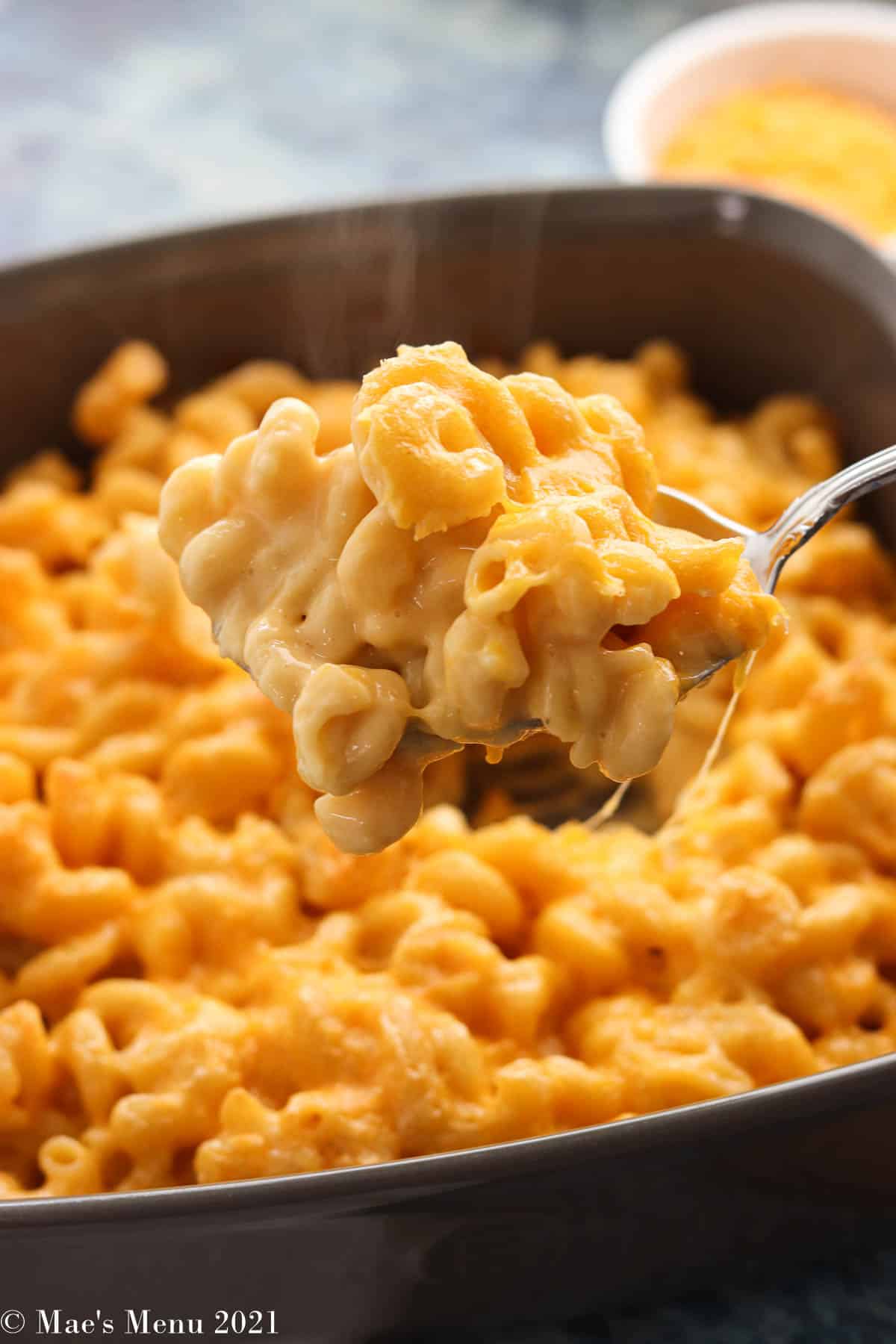
Healthy Macaroni and Cheese (Baked or Stovetop!)

Ingredients
- 8 oz. Banza chickpea pasta elbows or Brami lupini pasta, regular macaroni, or other small pasta shapes
- 1½ tablespoons unsalted butter
- 3 tablespoons all-purpose flour or 1-to-1 gluten-free flour blend
- 1¼ cups 1% or 2% milk
- ¾ teaspoon salt
- 1¼ cups freshly grated sharp cheddar cheese if baking: use 1¾ cups total, divided
Instructions
- Cook the pasta in a large pot of heavily salted boiling water according to the packaging directions. Drain and set aside.
- Return the saucepan to the stovetop over medium heat. Add the butter and let it melt until it just starts to foam. Whisk in the flour and cook, stirring constantly, for 1–2 minutes until the mixture smells warm and lightly nutty.
- Pour the milk into the saucepan while whisking continuously. Cook for 2–3 minutes, whisking non-stop, until the sauce thickens and you can see the bottom of the pan when you drag the whisk through it.
- Turn the heat to low. Add 1¼ cups of the shredded cheddar and the salt. Whisk vigorously for 15–30 seconds until smooth and creamy. Remove from heat.
- Add the drained pasta to the cheese sauce and fold together until fully coated. Serve hot.
- Optional Baking Step: Pour the mac and cheese into a greased 8x8-inch baking dish. Sprinkle with the remaining ½ cup shredded cheddar. Bake at 375°F for 21–23 minutes, until golden and bubbling. Serve hot.
Notes
Notes
- Pasta swap: This recipe is written for Banza chickpea pasta elbows (shown in photos). Brami lupini pasta is another great high-protein option. Regular macaroni works too — just note the nutrition will differ.
- Gluten-free: Use gluten-free pasta and a 1-to-1 gluten-free flour blend.
- Dairy-free/vegan: Use unsweetened oat milk or almond milk in place of dairy milk; use vegan cheese and vegan butter. Cook the sauce a bit longer to reach the desired thickness.
- Shred your cheese fresh — pre-shredded cheese contains anti-caking agents that prevent smooth melting.
- Make it creamier: Stir in 1–2 tablespoons of plain Greek yogurt or sour cream after adding the cheese.
- Add-ins: Stir in steamed broccoli florets, sautéed spinach, roasted butternut squash, shredded chicken, or ground turkey.
- Storage: Refrigerate leftovers in an airtight container for 4–5 days. Reheat with a splash of milk on the stovetop or in the microwave.

How much is one serving, 1 cup?
Hi, Addy -- A serving is 1/6 of the recipe, or about somewhere in between 3/4 - 1 cup.
Hope that helps!
How many cups of dried pasta do I use?
I love a simple recipe, and this one by far beats a box of Kraft. It's so easy and simple, and the kids loved it!
It's wild how making homemade mac and cheese doesn't take much long than the boxed stuff! So glad to hear that you and the family enjoyed this, Megan! Thanks for sharing and reviewing.
Yummmmm! I love that it comes together so quickly on the stovetop for nights when I'm tired and just need to get dinner on the table, but the extra baking step? 🤌 So friggin' delicious! Thank you for this awesome recipe.
So glad you liked it, Ashley! Thanks for sharing and reviewing!
So yummy and cheesy! The whole family was a fan and now request it over the boxed time - huge win!
thanks so much for sharing and reviewing, Heather! I am so glad that you liked it!
Can almond flour be used instead of all purpose flour?
Hi Tina,
I would not make that substitution, as it won't thicken the roux properly. If you need a gluten-free option, use 1-to-1 gluten-free flour.
Hope you enjoy the mac and cheese!
Best,
Chelsea